
Europe is entering a new phase of the mobility transition — a phase where funding, regulation and market demand are finally aligned. With the EU’s latest announcement of €600 million allocated to charging and hydrogen infrastructure, businesses across the region have a clear signal: infrastructure investment is not slowing down — it’s accelerating.
The electrive.com report confirms a trend that’s been visible for months: public money is now being used to reduce bottlenecks that have held back charging deployment, especially in regions with grid constraints or slow permitting. For developers, CPOs, installers and property owners, this creates a practical question: is your site ready to make use of this opportunity?
1. Why This Funding Round Matters More Than Previous Ones
Unlike earlier funding cycles, this initiative is designed for deployment, not experimentation.
Three shifts make it significant:
Europe has moved past the “pilot phase.
Over 1 million public chargers are already operational across the EU. Infrastructure is becoming a mature, scalable sector — not a collection of isolated project.
EV sales remain strong despite economic pressure.
In 2025, electric car sales grew by 40%, driven by falling battery prices and stable policy direction toward 2035. Demand for charging will follow.
Grid and permitting support is finally improving.
The EU’s new focus on DSO coordination and pan-European grid capacity mapping means that charging sites will face fewer administrative delays — a critical change for developers.
Together, these trends create a market where sites that are ready early will capture funding first. This is where preparation becomes a competitive advantage.
2. What Businesses Need to Prepare For (and why it matters now)
The next wave of charging development will be shaped by two practical realities:
A) Scaling requires smarter electrical design — not just bigger chargers
Many sites don’t need 300 kW hardware.
They need:
- Dynamic Load Management
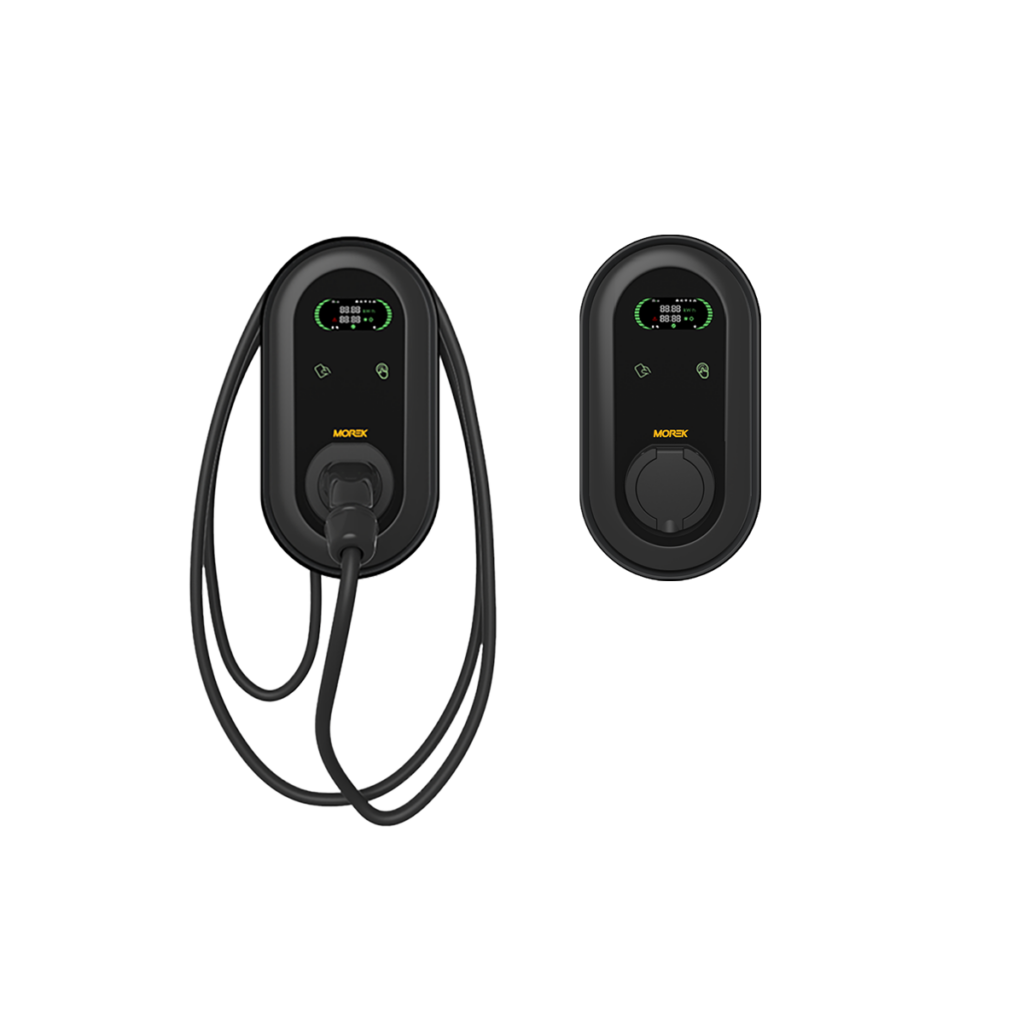
- dual-output AC for fleets and multi-tenant buildings
- predictable installation workflows
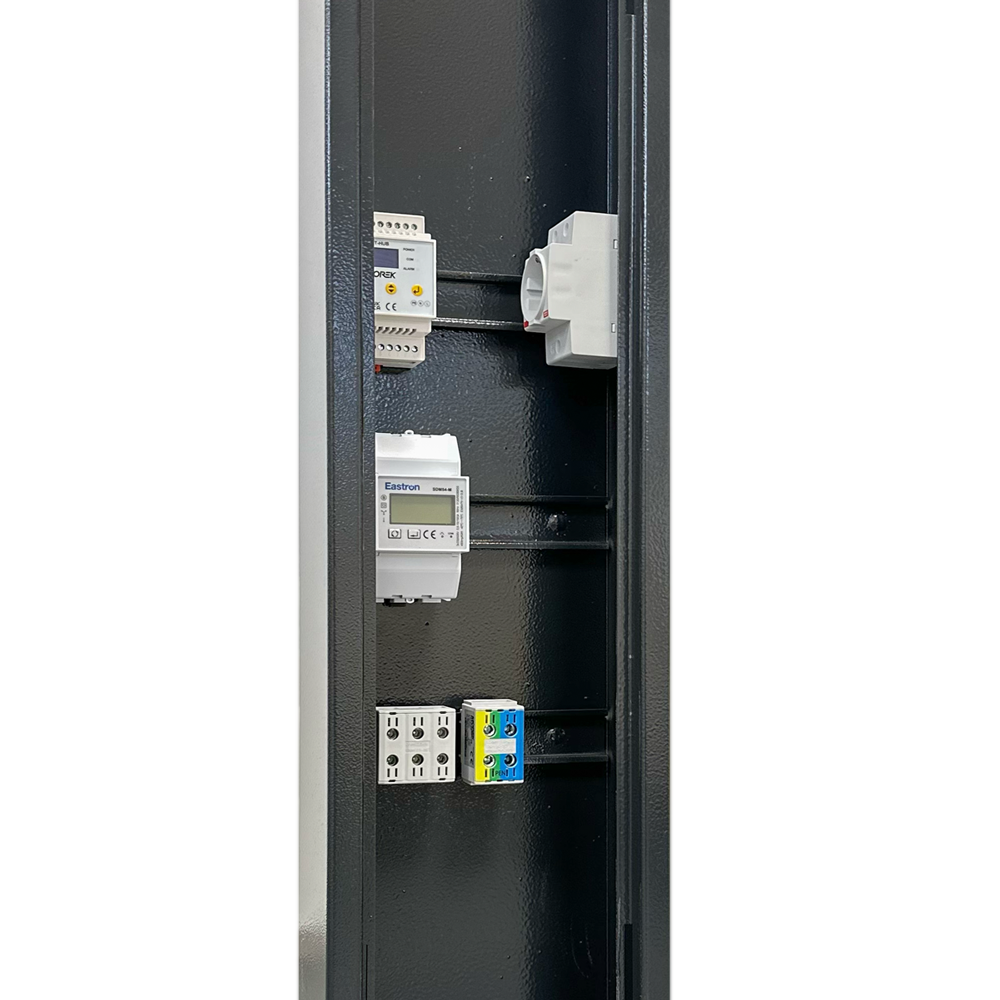
- reliable components that match the grid connection
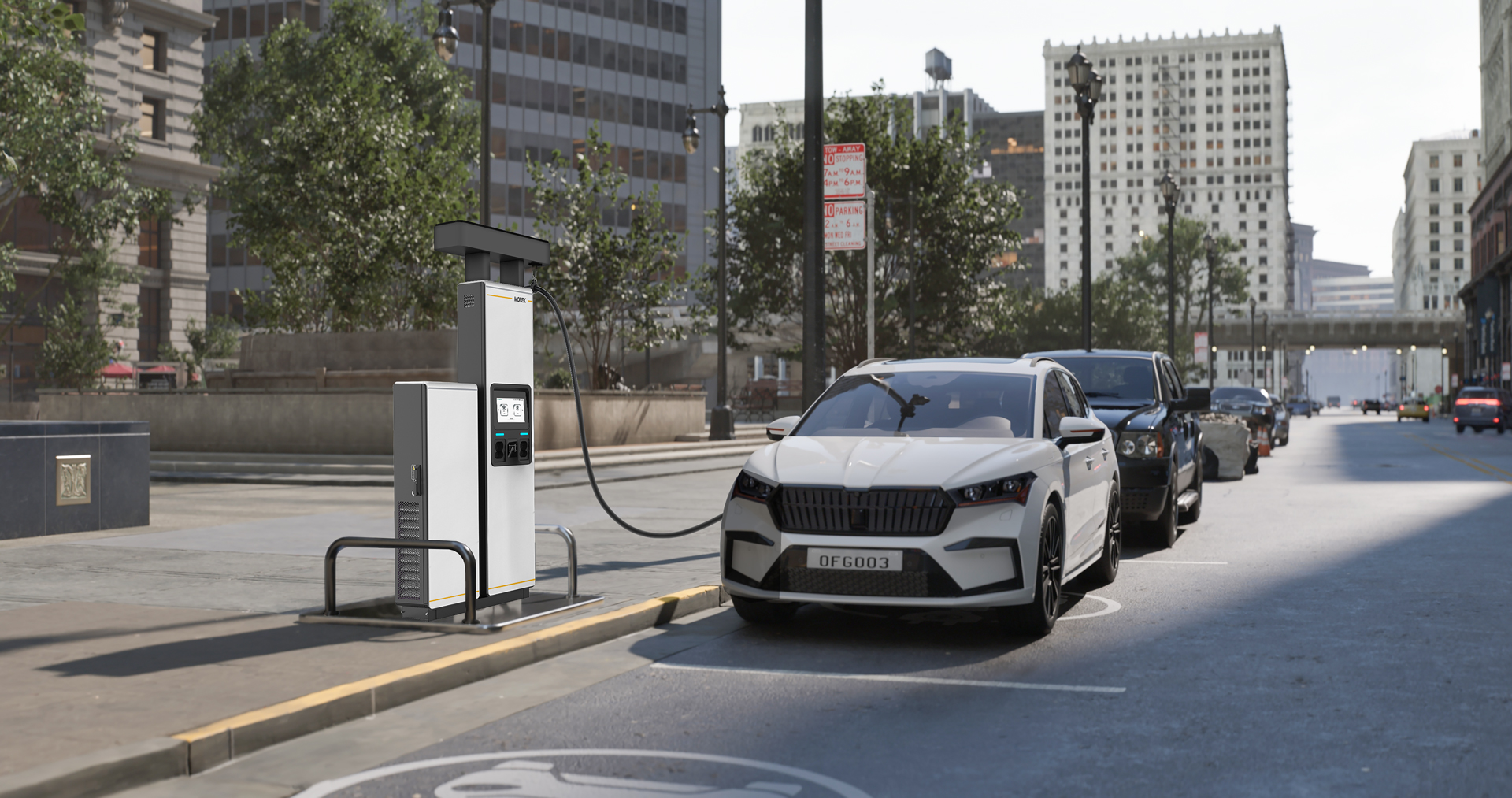
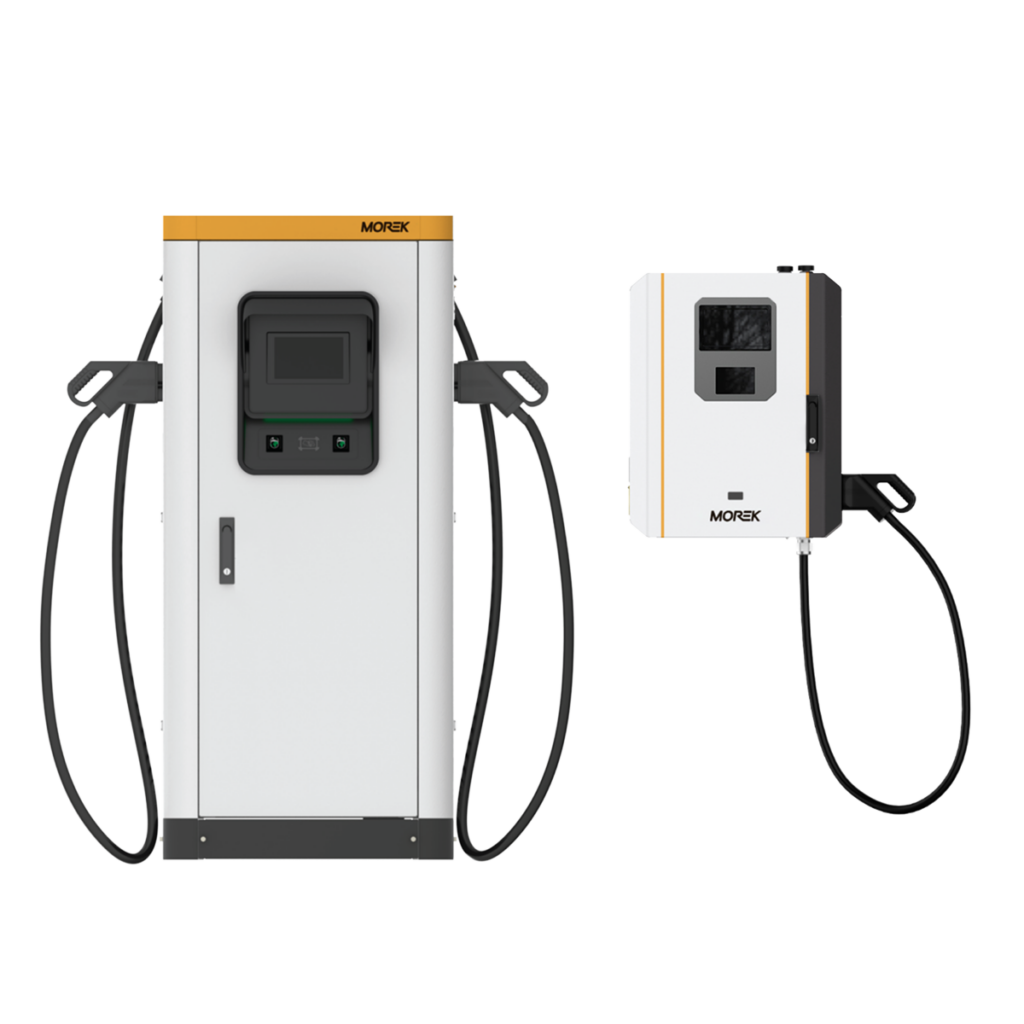
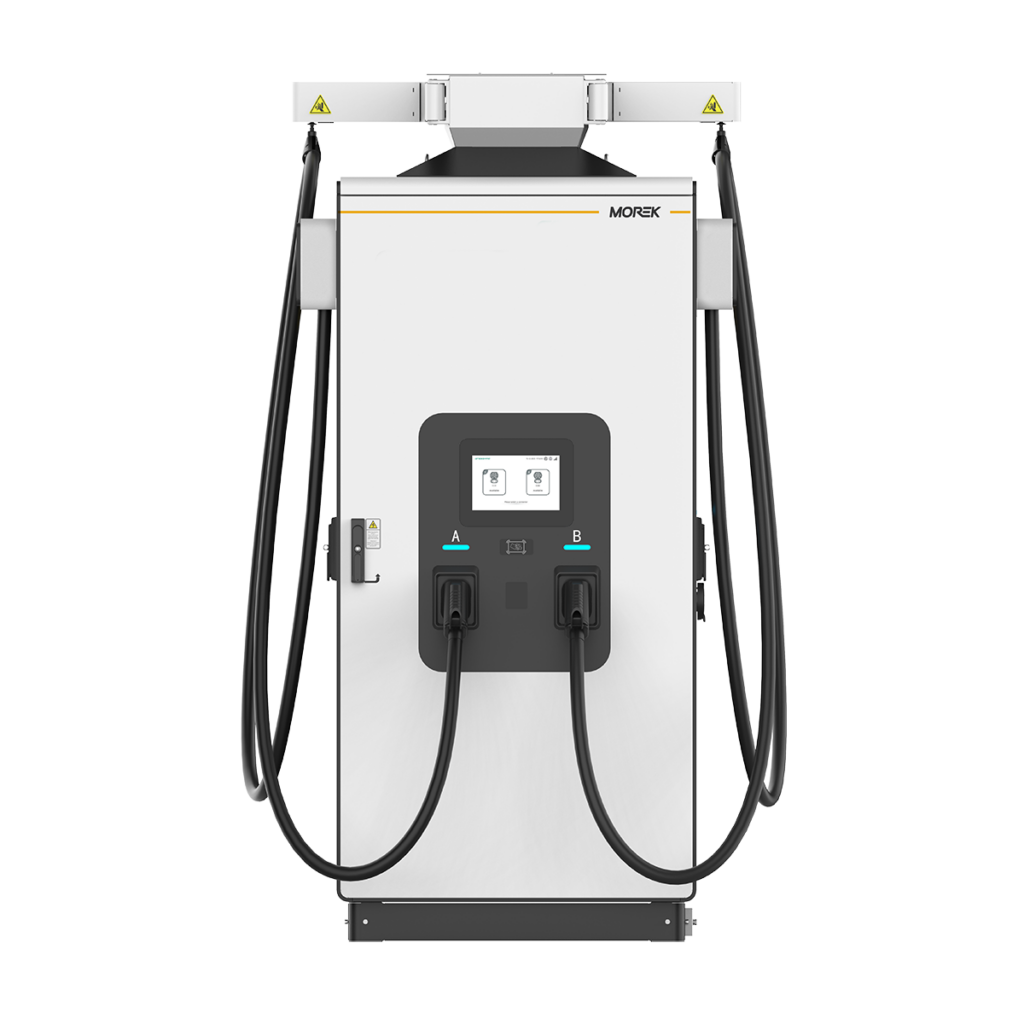
Morek’s new CORE-series AC chargers and our modular DC portfolio were designed exactly for this environment — where installers need speed, simplicity and compatibility.
B) Funding applications reward readiness
This includes:
- accurate grid analysis
- realistic component lists
- documented installation plans
- available hardware with confirmed delivery schedules
Without these, even promising projects can fall behind competitors who are better prepared technically.
To support this step, I created a 1-page EV Charging Site Readiness Checklist you can download below.
It’s designed to help evaluate whether a site is eligible, technically feasible, and aligned with grant requirements.
👉 Download the checklist (PDF) [Insert your branded PDF link]
3. The Broader Trend: Why EV Infrastructure Will Keep Growing Through 2026–2030
Many business owners still ask the same question: “Is it already too late to enter the charging market?” The short answer: No. If anything, the window is opening wider.
Three reasons:
The 2035 CO₂ standards are holding — and driving investment
Based on the EU’s recent public consultation, policymakers are doubling down on the 2035 phase-out of combustion engines. Investors respond to certainty — and now they have it.
Greenfield and brownfield sites are becoming multi-energy hubs
Fuel retailers, fleet depots, supermarkets, industrial zones — all of them are redesigning their energy footprint. Charging is no longer an add-on. It’s a baseline infrastructure service.
Business models are shifting from “fast charging only” to “mixed-use ecosystems”
We’re seeing:
- AC + DC hybrid sites
- fleet-centric charging blocks
- shared infrastructure for logistics, retail and housing
- smart load balancing that reduces OPEX
- more affordable high-quality hardware entering the market
This ecosystem can only grow — the demand mechanics are built in.
4. Where Morek Fits Into This Landscape
Our role is practical: we help businesses build infrastructure that can scale.
With local presence across 10+ European countries, Morek supports projects from idea to commissioning with:
- AC and DC hardware (CORE-series to ultra-fast DC)
- dynamic load management solutions
- certified components and accessories
- regional installation partners
- documentation packages for grant applications
- predictable delivery timelines
In other words: we reduce friction — the biggest bottleneck in today’s charging projects.
5. Final Thought: Prepared Sites Win the Funding Race
The combination of public funding, market demand and regulatory certainty creates a once-in-a-decade environment for EV infrastructure investment.
Businesses who prepare now won’t just receive grants – they will take a long-term position in a market that continues growing through 2030 and beyond.
If you want a simple way to evaluate whether your planned site is ready, download the checklist below.
👉 Download the EV Charging Site Readiness Checklist
👉 Book a 15-minute site eligibility call https://ev.morek.eu/contact/
The opportunity is here — it’s just a question of who is prepared to capture it.